Category Archives: Worship
Lent Devotions

March 9
Tracey Henderson served as a summer assistant director and currently is a doctor specializing in pediatrics at Rochester General Hospital.
Numbers 21:4-9
In this passage we hear the Israelites once again complaining to God, becoming impatient with their misfortunes. How often do we, too, focus on what is not going well in our lives? It is easy to complain, and to feel like our troubles are piling up. We ask God to take away our suffering. We wish our lives could just be easy.
Yet challenges are a part of life. There is no joy without sorrow. There is no triumph without fear. So many times we find that God does not erase our problems, but instead gives us the tools we need to overcome them. In my line of work, I have encountered people facing devastating diseases and injuries. It is easy to ask “why?” and to become angry at how unfair life seems. But embedded within these stories are true miracles—the resiliency of the human spirit, even in the face of unimaginable suffering. God does not take away the venomous snakes, but allows the Israelites to survive their snake bites.
Prayer: As we reflect this Lenten season, help us look to you, God, not to eliminate our challenges, but to give us the courage we need to overcome them. Help us not to feel cheated and angry at the misfortunes we face, but grateful for the blessings that hide among these shadows. Help us to move forward with grace and faith, knowing that, through you, we have the strength to prevail. Amen.
For this year’s Lent devotions, the days follow the Common Lectionary texts. Each author was invited to: 1.Read the passage.
2.Read a couple passages before and after the assigned day.
3.Do something else for the day, keeping the passage in mind.
4.Find a word/phrase/concept that connects with your own experience. Reflect on that.
You are encouraged to do the same.
Lent Devotions
|
|

Lent Devotions
|
|
Lent Devotions
March 5
Tom McIlroy is a former media staff member at Camp Fowler and currently serves on the board of trustees; he works as a sales manager for Cumberland Farms.
I Corinthians 1:18-25
As a child, in my infinite wisdom, I decided it would be best if, when I grew up, I would live in a mansion on a hill, unmarried, with no children, and several maids to maintain my posh existence. Fast forward 25 years and I’ve become much wiser (or should I say, God’s plan for me was much wiser). I have an amazingly strong wife, two adorable children, and I live in a modest home on a farm (on a hill, so I got one thing right!). God’s plan for me was much more in line with my personality and the gifts he’s provided me with.
In this scripture passage, Paul is telling the Corinthians that the only way to salvation is through Christ on the cross. We can study all we want to become wise, but it won’t get us anywhere if we don’t go to the cross.
Our word “moron” comes from the Greek word moria, or moros as an adjective. Paul uses this word five times in this scripture to emphasize our need to be humbled by the power and awe of God, and understand that the only way to God is through the cross. We simply can’t match him by strength or wisdom.
So continue to read scripture and care for your neighbors, but do it because God desires you to do it. And meet him at the cross once again this season. Relinquish your control and give your life privately to him at the foot of the cross.
Prayer: Powerful and wise Lord, forgive us for our ignorance and loss of our way. Help us to return back to you at the foot of the cross to pray for forgiveness and gratitude for your amazing gift of grace. May we be a beacon of love and grace for those who may not know where to find your grace. In Jesus’ name we pray, Amen.
For this year’s Lent devotions, the days follow the Common Lectionary texts. Each author was invited to: 1.Read the passage.
2.Read a couple passages before and after the assigned day.
3.Do something else for the day, keeping the passage in mind.
4.Find a word/phrase/concept that connects with your own experience. Reflect on that.
You are encouraged to do the same.
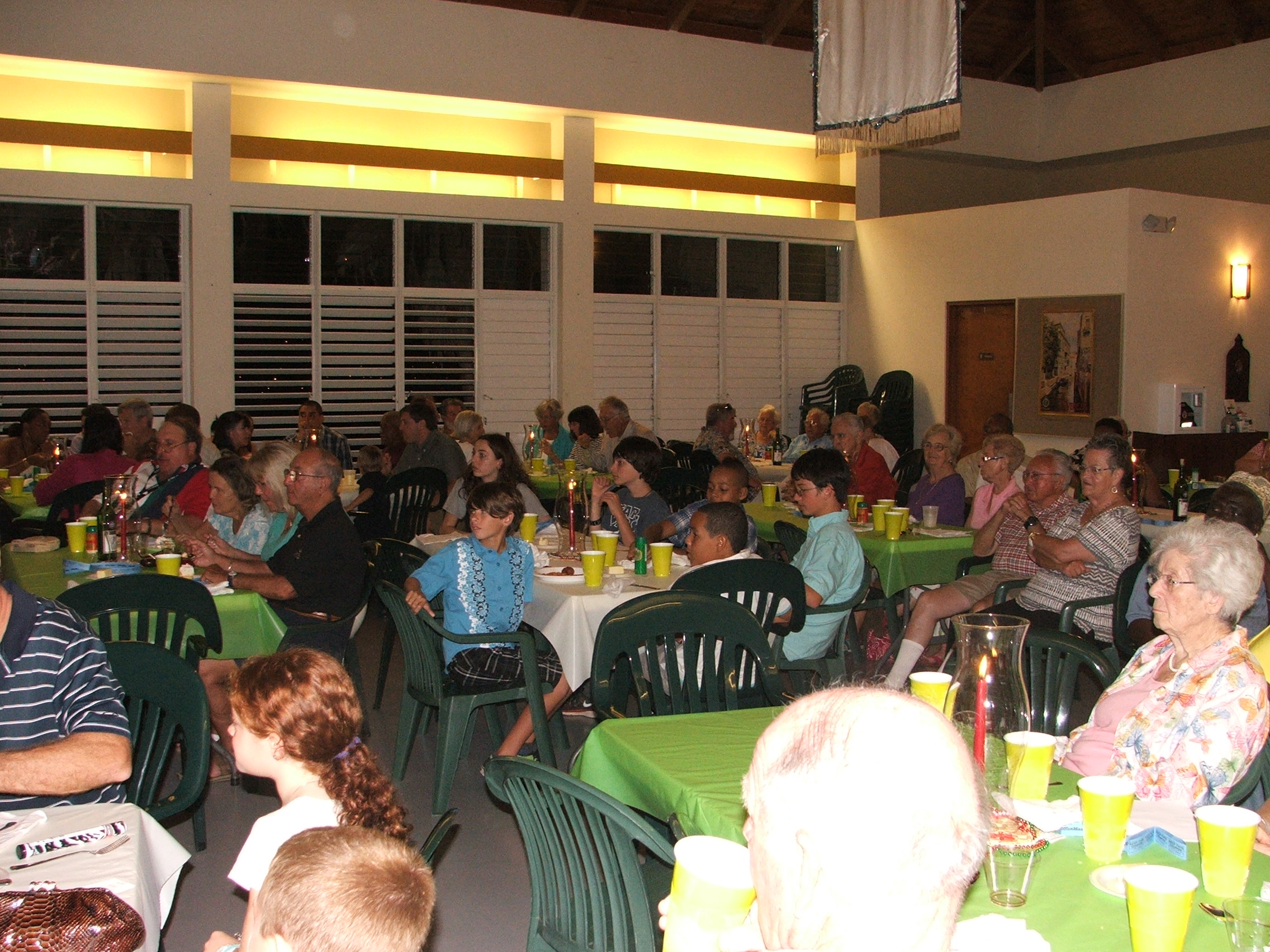
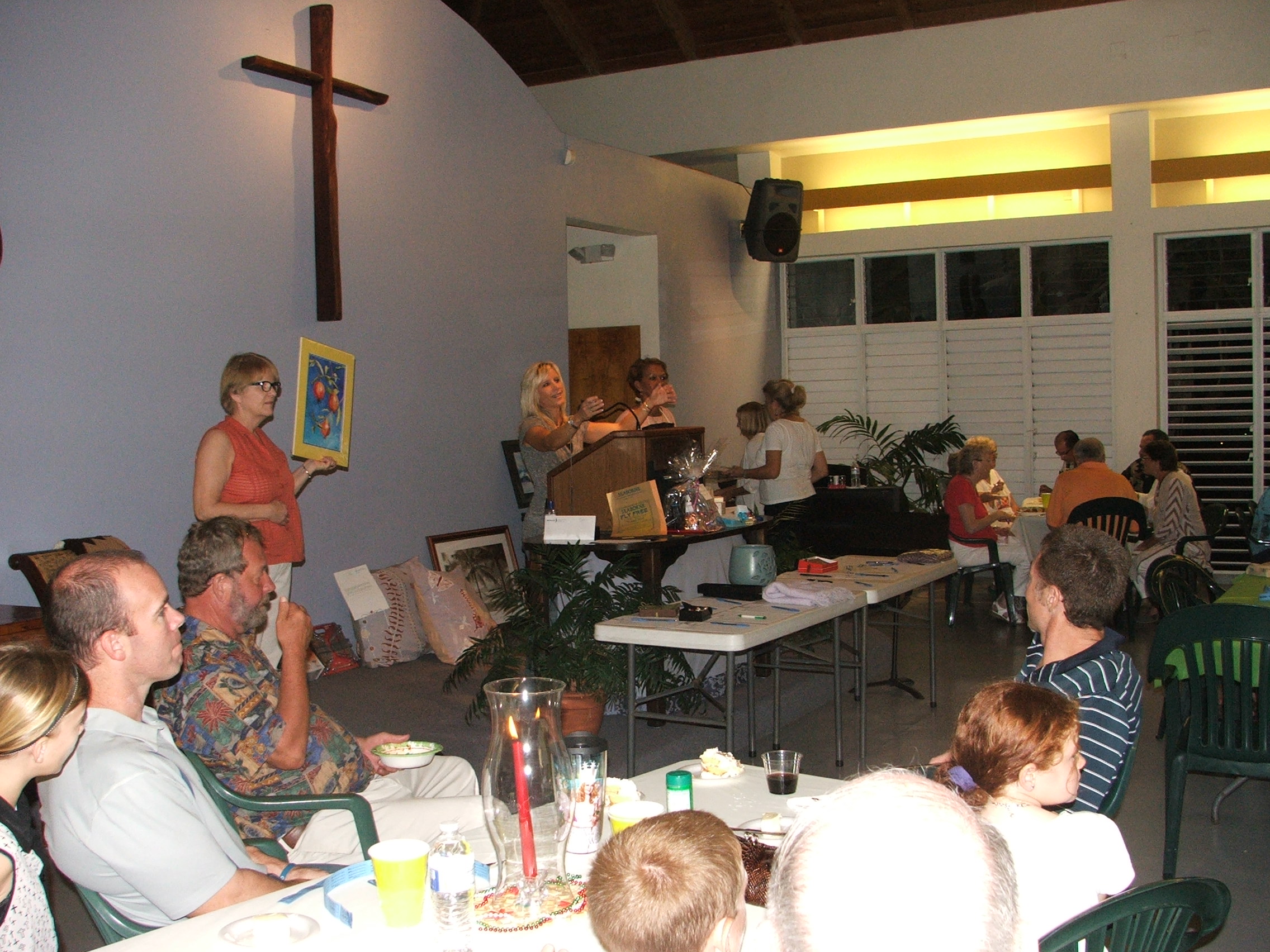
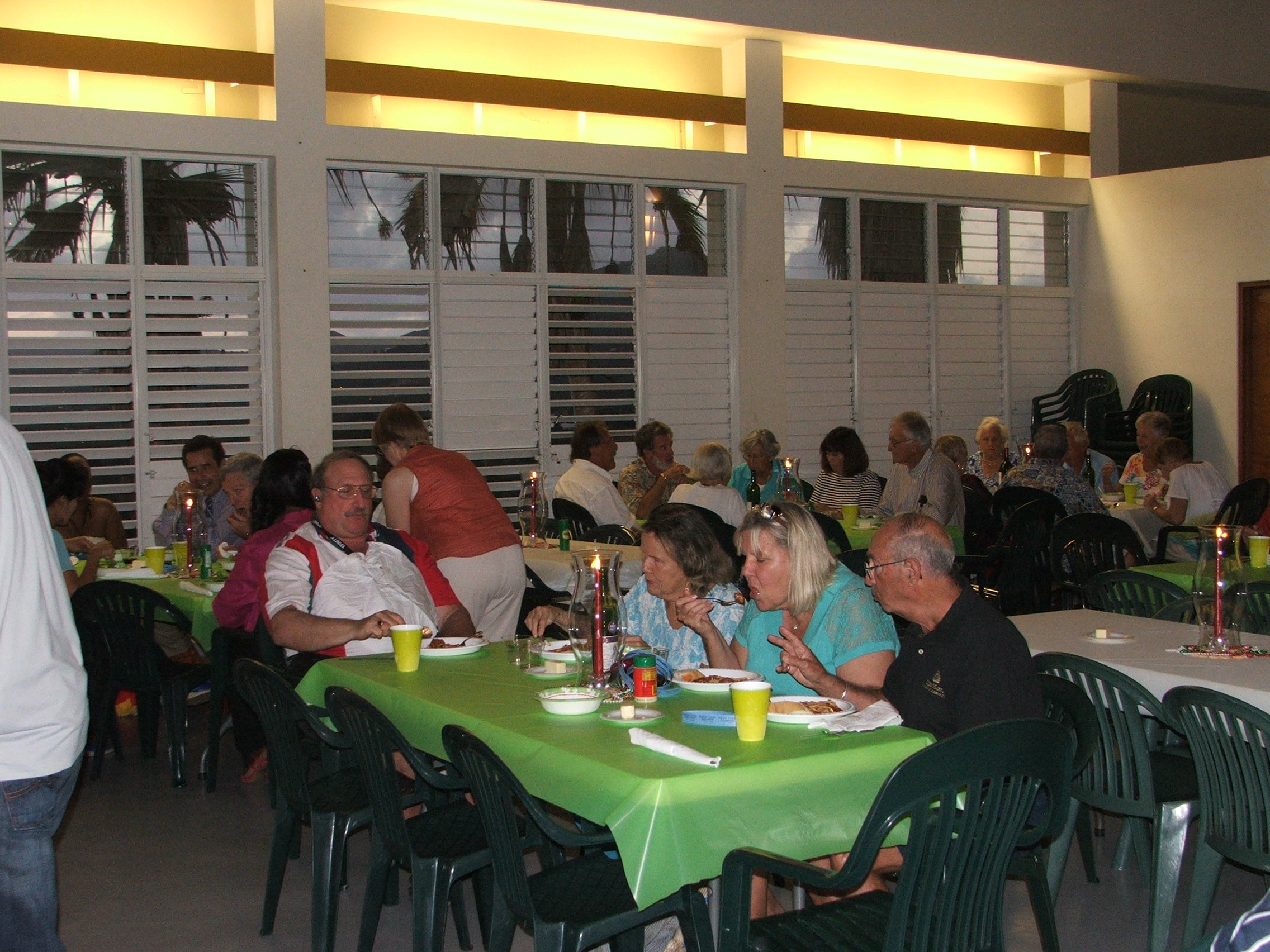
Annual Spaghetti Dinner Fundraiser
Lent Devotions
March 4
Maggie White is a former summer office staff member at Camp Fowler. She currently works at Union College in Schenectady, New York, and serves as youth director at First Reformed Church in Scotia, New York.
Psalm 19:7-14
For a long time now, I’ve given up sweets for Lent. It can be a challenge, coming right on the tails of the season of cookies, cakes, and treats. It’s amazing how accustomed you get to having something sweet after a meal, and to be honest, I usually fail at making it through the whole 40 days. What can I say—I like chocolate. As time has gone on, however, it’s become less effective. Not because it has gotten any easier—I still have a very hard time making it 40 days without chocolate—but because my views on it have changed. It’s become a diet of sorts; a physical cleanse after the heavy eating of Christmas. And that’s not what Lent is supposed to be about.
So last year I did something different. In addition to removing sweets, I added something. It was a huge revelation for me—nowhere does it say you have to solely deprive yourself of something during Lent. Why not add something that can help you reflect? This year, I plan to read a half hour every day during Lent. I know it doesn’t seem like much, especially for me. But while I love reading, too often I bypass it and go for the easy entertainment of television. Making time to read is going to remind me not to take the easy route; it will make me think and make me branch out. It will hopefully give me time to reflect this Lenten season. And that is what Lent is about.
So this year, instead of just removing something from your life, why not try adding something meaningful? (It’s not too late!) Maybe it will give you the chance you need to reflect as well.
Prayer: Lord, following you sometimes involves not giving up things, but taking up things that help us better serve and understand you. Help us find something that will center us this Lenten season.
For this year’s Lent devotions, the days follow the Common Lectionary texts. Each author was invited to: 1.Read the passage.
2.Read a couple passages before and after the assigned day.
3.Do something else for the day, keeping the passage in mind.
4.Find a word/phrase/concept that connects with your own experience. Reflect on that.
You are encouraged to do the same.
Lent Devotions
March 3
Lindsay Close is former summer assistant director and wilderness guide at Camp Fowler.
Psalm 19:1-6
In a world that is filled with the constant chatter of messages, texts, tweets, posts, and pins, I find sweet relief in the image of God’s glory and magnificence spreading silently across the earth. With ever-increasing expectations to be constantly connected, we are called during this Lenten season to simply step back, be still, and be quietly filled with the wonder of God’s presence all around us.
It is often difficult to stop long enough to truly experience and acknowledge God’s presence, which is why it is necessary to seek out those elusive places where the mind, heart, body, and soul are all fully present at the same time. These are the “thin places”—the places where we are most aware of God’s presence, where the noisy distractions of our world drop away and we are able to fully appreciate the wonder of God’s amazing creation.
As the hectic pace of life and work looms this Lent, let us remember the grace that can be found in the “thin places” around us. Whether it is a weekend hike up north, an early morning paddle across a lake, or a stroll through the backyard, it is these bits of wilderness that connect us to God. They remind us to slow down, to look up, and to be humbled by the power, wonder, and grace of God that surround us.
Prayer: Creator God, help us to be still, to slow down, and to turn our eyes and ears to the heavens that quietly tell your glory and declare the works of your hands. Amen.
For this year’s Lent devotions, the days follow the Common Lectionary texts. Each author was invited to: 1.Read the passage.
2.Read a couple passages before and after the assigned day.
3.Do something else for the day, keeping the passage in mind.
4.Find a word/phrase/concept that connects with your own experience. Reflect on that.
You are encouraged to do the same.
Lent Devotions
March 2
Hannah Shalom Busman is Camp Fowler’s former assistant director and currently serves as a covenanter with First Reformed Church in Schenectady, New York.
Exodus 20:1-17
In Exodus 20, God breaks one of the pivotal guidelines in telling people about rules: always stick to the positive. Don’t tell kids what they cannot do, but instead tell them what they can do. This is a lesson all people who ever spend time with a child learn early on. Perhaps in this passage God should have said, “You shall speak my name only in the correct context. You shall consider every life as valuable as your own. You shall honor your partner, and if you are feeling like you cannot do this then you shall talk to them about it. You shall consider that things owned by someone else are not yours to take. You shall always tell the truth, even if that means you will be in the wrong. You shall understand that the possessions of your neighbor have come to them by great effort and your possessions in turn have come to you by great effort, and you need to honor that.”
While these statements are not quite as pithy and might be harder to carve on a rock, you might not be quite as frightened of God and his retribution when you read them. Unfortunately for most of us, this was not how God worded these statements; instead, he made it quite clear the things he does not want you to do, without the slightest glimmer of forgiveness.
This segment in the Bible is centered around fear—fear for yourself and for the following generations. We are already full of fear in this world. Fear of the future, fear of disappointing someone, fear of failing, fear we will never find love, fear of the destruction of the Earth, fear of going to school or work or a movie theater and not making it home safe. Every night the news tells us something new to fear and another tragic story that ever increases our impending sense of doom. We have enough fear in our lives; I don’t like fearing God, too.
As humans we tend to do one of two things when it comes to fear: ignore it or face it head on. We either go about our day thinking that we will be safe and ignoring any evidence to the contrary, or we go bungee jumping and physically hurl ourselves into a pit of terror. Most people actually end up with a combination of these two approaches, but what do we do about the fear of God? How do we deal with that? Do we face it head on, knowing that we will inevitably fail to follow the Ten Commandments and cross our fingers that the good we do outweighs the bad, or do we keep our heads down and try to ignore the ever-present terror because acknowledging it means living in fear? What would God have us do?
Prayer: Lord have mercy upon us, for we are afraid this Lent.
For this year’s Lent devotions, the days follow the Common Lectionary texts. Each author was invited to: 1.Read the passage.
2.Read a couple passages before and after the assigned day.
3.Do something else for the day, keeping the passage in mind.
4.Find a word/phrase/concept that connects with your own experience. Reflect on that.
You are encouraged to do the same.
Lent Devotions
February 28
Steven Bouma-Prediger is a professor of religion at Hope College, a Camp Fowler summer volunteer, and a camper/staff parent.
Mark 9:2-9
“This is my Son, the Beloved; listen to him!”
The day was cold and crystal clear. My students and I began our ascent early, and after a few hours came to the summit block. The trail, now above tree line, went straight up over grey granite, scraped clean by wind and rain. As we reached the summit of Mt. Marcy, the highest mountain in New York, we had a 360-degree view of the High Peaks of the Adirondack Mountains. We could see Algonquin to the west, Skylight to the south, Gothics to the east, and Lake Placid to the north. It seemed like we were in heaven.
In this famous passage in Mark, we read of Jesus and three of his disciples climbing a high mountain. Strange things can happen on mountains. In this case, Jesus is transfigured, bathed in white light, and the two greatest prophets in Jewish history appear with Jesus. Peter thinks he is in heaven and blurts out a half-baked idea about pitching tents and camping out. But a commanding voice—God’s voice—speaks and makes clear that the greatest prophet is Jesus, the Beloved Son. And this Jesus, the Word “tenting among us” (John 1:14), is the Messiah who aims to finish what Moses and Elijah started—the redemption of the world. So why wouldn’t we listen to him?
Prayer: O Lord, help us to listen to your Son, that we may do your will on earth.
For this year’s Lent devotions, the days follow the Common Lectionary texts. Each author was invited to:
Read the passage.
Read a couple passages before and after the assigned day.
Do something else for the day, keeping the passage in mind.
Find a word/phrase/concept that connects with your own experience. Reflect on that.
You are encouraged to do the same.
Lent Devotions
February 27
Jason White is a former Fowler summer chaplain and volunteer. He currently works at Lynnwood Reformed Church in Schenectady, New York, and is enrolled at Western Seminary under the care of the Schenectady classis.
Mark 8:31-38 (CEB)
“All who want to come after me must say no to themselves, take up their cross, and follow me.”
We know the stories: the sea became calm, the demons lost their power, five loaves and two fish fed thousands, the waves became a walkway, sight and hearing were restored, little children were blessed, and we were taught how to pray. He died…so that we might have life!
Powerful stories move us, not only down the path, but emotionally and spiritually as well. Jesus not only tells great stories, but is a great story himself, a tale that we are invited to be a part of. Have you ever gone to the symphony? You might first hear a bassoon warming up, giving a hint of what unique melodies are just around the corner. Slowly other players gather and there is a swell of sound that isn’t quite music, yet artistry abounds. A tuning note is played and everyone joins in…pure unity, communion. The conductor strides to the center and cues this musical body—and we’re swept away into the composer’s story, swept away from being inside our own minds, swept away from our individual stories and into a greater collective.
Here in Mark 8, Jesus invites us to be part of the story—a story of communion and a story of unity. We are summoned to take up our crosses, take up our instruments. Even if the part we have to play is a difficult one, we are invited to work within this body of Christ, to be part of the adventure. In the center is our conductor, Jesus Christ, who says, “Follow me, let me lead the way…I am the way.” The foundation of the journey comes from our composer, God, whose grace and shalom flows within the pages of our lives. Abba, who breathed the Holy Spirit into us at the beginning, gives us life to continue unfolding the story.
It is here, in this space of unity, grace, and communion, where we can heed Christ’s appeal to say no to our own stories, and move into the reality of this heavenly drama.
Prayer: Lord, whatever it may be, help us to take up our cross, and follow you. Amen.
For this year’s Lent devotions, the days follow the Common Lectionary texts. Each author was invited to: 1.Read the passage.
2.Read a couple passages before and after the assigned day.
3.Do something else for the day, keeping the passage in mind.
4.Find a word/phrase/concept that connects with your own experience. Reflect on that.
You are encouraged to do the same.

 St Croix Reformed Church
You must be logged in to post a comment.